Home
學生控制台
註冊會員/登入
研究知情同意書
UeduGPTs
Aida 優學伴
Uedu Open
支援與訊息

UeduGPTs

--

Jupyters

3

AI 回覆桌面通知

AI 助教回覆完成時顯示桌面通知

聊天訊息通知

同學在討論區發送訊息時通知

聲音通知

每當有新通知時播放提示音

Uedu Open / Classical Mechanics
8.01SC

Classical Mechanics

Prof. Deepto Chakrabarty, Dr. Peter Dourmashkin, Dr. Michelle Tomasik, Prof. Anna Frebel, Prof. Vladan Vuletic | Fall 2016
Science & Math Physics Classical Mechanics Science
前往原始課程
CC BY-NC-SA 4.0
課程簡介

This first course in the physics curriculum introduces classical mechanics. Historically, a set of core concepts—space, time, mass, force, momentum, torque, and angular momentum—were introduced in classical mechanics in order to solve the most famous physics problem, the motion of the planets.

The principles of mechanics successfully described many other phenomena encountered in the world. Conservation laws involving energy, momentum and angular momentum provided a second parallel approach to solving many of the same problems. In this course, we will investigate both approaches: Force and conservation laws.

Our goal is to develop a conceptual understanding of the core concepts, a familiarity with the experimental verification of our theoretical laws, and an ability to apply the theoretical framework to describe and predict the motions of bodies.

課程資訊
來源MIT 開放式課程
科系Physics
語言English
影片數215
課程影片 (215)
1
8.01SC Classical Mechanics Introduction
2
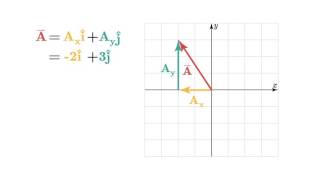
0.1 Vectors vs. Scalars
3
0.2 Vector Operators
4
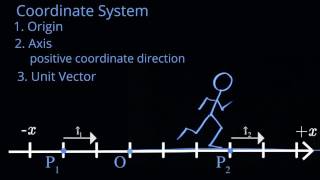
0.3 Coordinate Systems and Unit Vectors
5
0.4 Vectors - Magnitude and Direction
6
0.5 Vector Decomposition into components
7
0.6 Going Between Representations
8
1.0 Week 1 Introduction (8.01 Classical Mechanics)
9
1.1 Coordinate Systems and Unit Vectors in 1D
10
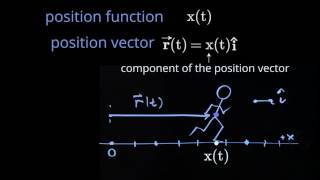
1.2 Position Vector in 1D
11
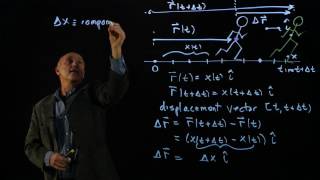
1.3 Displacement Vector in 1D
12
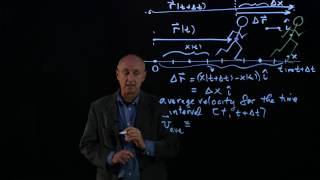
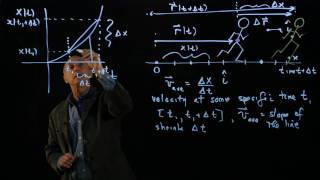
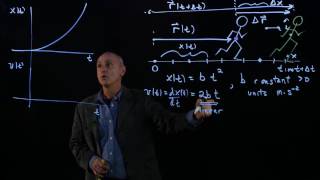
1.4 Average Velocity in 1D
13
1.5 Instantaneous Velocity in 1D
14
1.7 Worked Example: Derivatives in Kinematics
15
2.1 Introduction to Acceleration
16
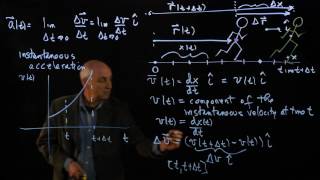
2.2 Acceleration in 1D
17
2.3 Worked Example: Acceleration from Position
18
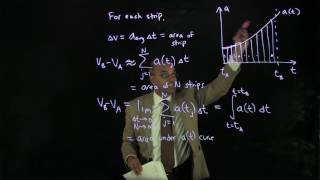
2.4 Integration
2.4 Integration
19
3.1 Coordinate System and Position Vector in 2D
20
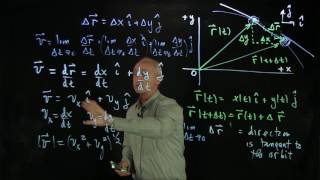
3.2 Instantaneous Velocity in 2D
21
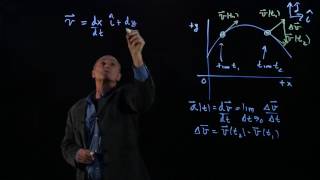
3.3 Instantaneous Acceleration in 2D
22
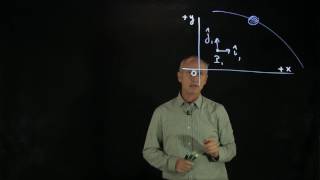
3.4 Projectile Motion
23
3.5 Demo: Shooting an Apple
24
3.5 Demo: Relative Motion Gun
25
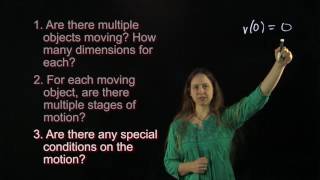
PS.1.1 Three Questions Before Starting
26
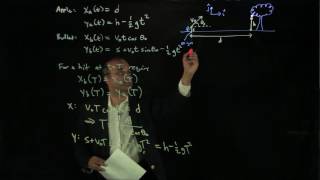
PS.1.2 Shooting the apple solution
27
P.1.3 Worked Example: Braking Car
28
P.1.4 Sketch the Motion
29
P.1.5 Worked Example: Pedestrian and Bike at Intersection
30
4.0 Week 2 Introduction
31
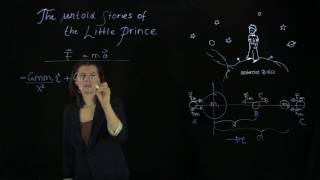
4.1 Newton's First and Second Laws
32
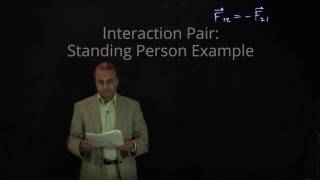
4.2 Newton's Third Law
33
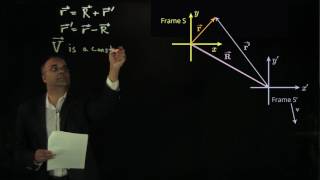
4.3 Reference Frames
34
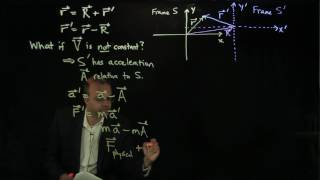
4.4 Non-inertial Reference Frames
35
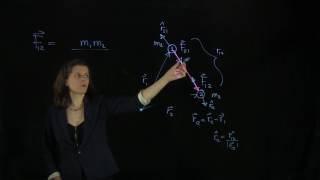
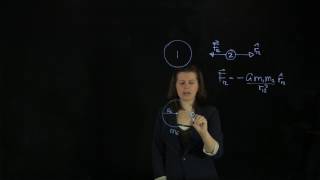
5.1 Universal Law of Gravitation
36
5.2 Worked Example: Gravity - Superposition
37
5.3 Gravity at the surface of the Earth: The value of g.
38
6.1 Contact Forces
6.1 Contact Forces
39
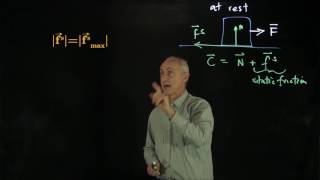
6.2 Static Friction
6.2 Static Friction
40
7.1 Pushing Pulling and Tension
41
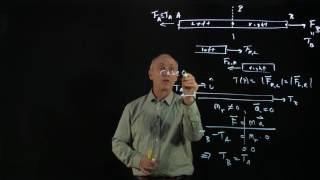
7.2 Ideal Rope
7.2 Ideal Rope
42
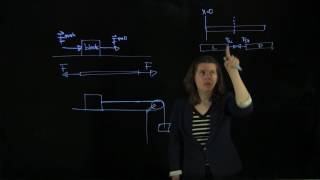
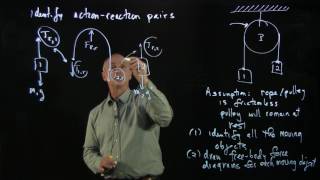
7.3 Solving Pulley Systems
43
7.4 Hooke's Law
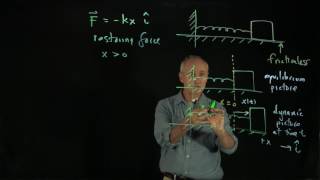
7.4 Hooke's Law
44
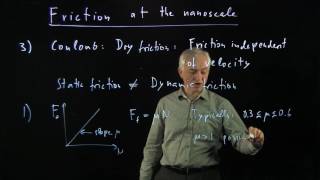
DD.1.1 Friction at the Nanoscale
45
PS.2.1 Worked Example - Sliding Block
46
PS.2.2 Worked Example - Stacked Blocks - Free Body Diagrams and Applying Newtons 2nd Law
47
PS.2.2 Worked Example - Stacked Blocks - Solve for the Maximum Force
48
PS.2.2 Worked Example - Stacked Blocks - Choosing the System of 2 Blocks Together
49
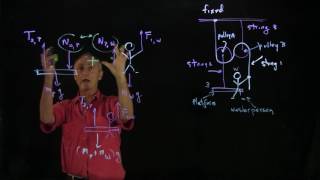
PS.2.3 Window Washer Free Body Diagrams
50
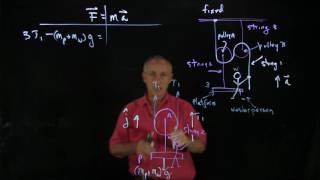
PS.2.3 Window Washer Solution
51
Newton's 3rd Law Pairs
52
Internal and External Forces
53
Applying Newton's 2nd Law
54
8.0 Week 3 Introduction
55
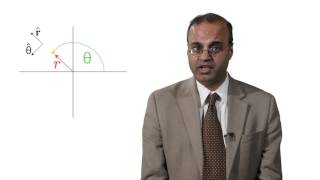
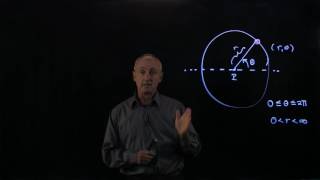
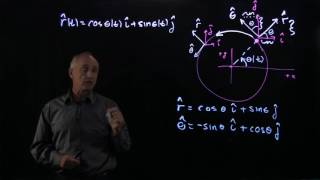
8.1 Polar Coordinates
56
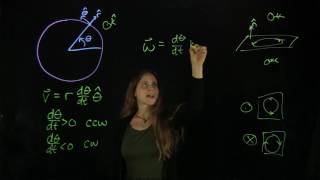
8.2 Circular Motion: Position and Velocity Vectors
57
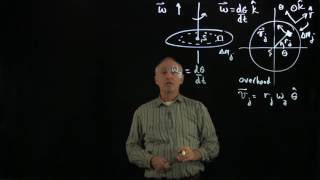
8.3 Angular Velocity
58
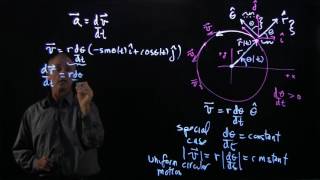
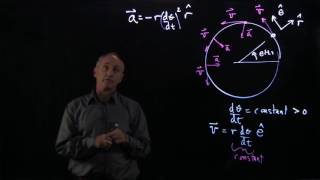
9.1 Uniform Circular Motion
59
9.2 Uniform Circular Motion: Direction of the Acceleration
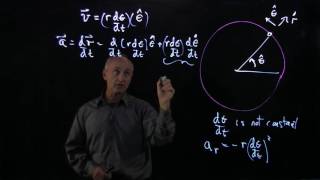
60
10.1 Circular Motion - Acceleration
61
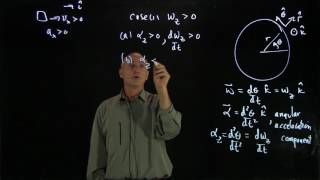
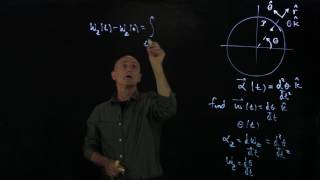
10.2 Angular Acceleration
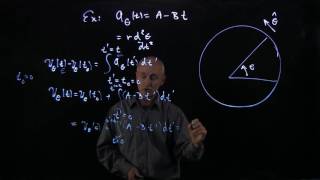
62
10.3 Worked Example - Angular position from angular acceleration.
63
11.1 Newton's 2nd Law and Circular Motion
64
11.2 Worked Example - Car on a Banked Turn
65
11.3 Demo: Rotating Bucket
66
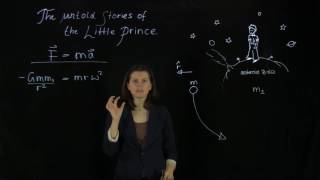
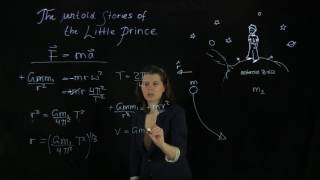
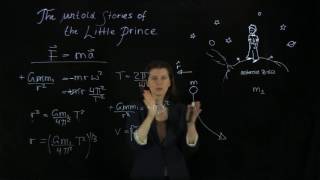
PS.3.1 Worked Example - Orbital Circular Motion - Radius
67
PS.3.1 Worked Example - Orbital Circular Motion - Velocity
68
PS.3.1 Worked Example - Orbital Circular Motion - Period
69
12.0 Week 4 Introduction
70
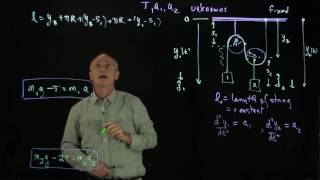
12.1 Pulley Problems
71
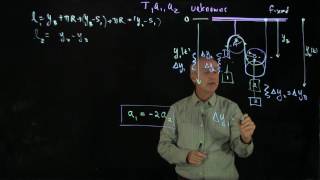
12.2 Constraint Condition
72
12.3 Virtual Displacement
73
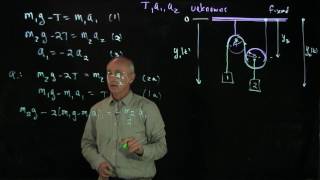
12.4 Solve the System of Equations
74
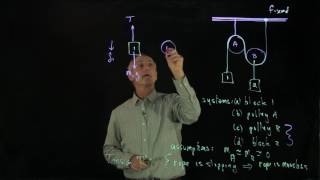
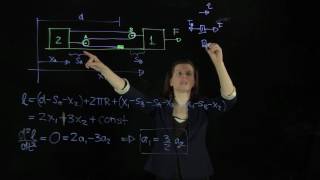
12.5 Worked Example: 2 Blocks and 2 Pulleys
75
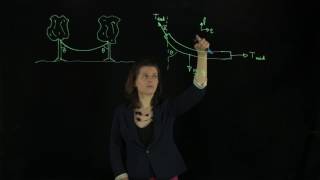
13.1 Rope Hanging Between Trees
76
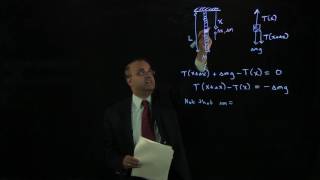
13.2 Differential Analysis of a Massive Rope
77
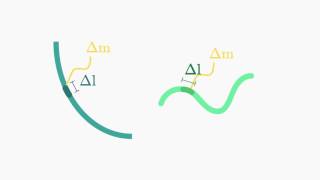
13.3 Differential Elements
78
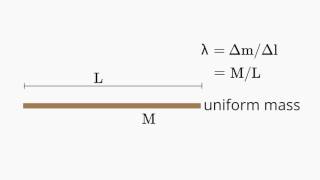
13.4 Density
13.4 Density
79
13.5 Demo: Wrapping Friction
80
13.6 Summary for Differential Analysis
81
14.1 Intro to resistive forces
82
14.2 Resistive forces - low speed case
83
14.3 Resistive forces - high speed case
84
15.0 Week 5 Introduction
85
15.1 Momentum and Impulse
86
15.2 Impulse is a Vector
87
15.3 Worked Example - Bouncing Ball
88
15.4 Momentum of a System of Point Particles
89
15.5 Force on a System of Particles
90
16.1 Cases of Constant Momentum
91
16.2 Momentum Diagrams
92
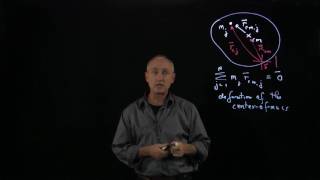
17.1 Definition of the Center of Mass
93
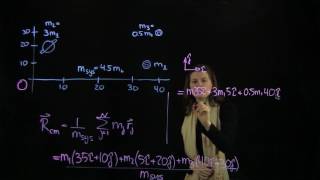
17.2 Worked Example - Center of Mass of 3 Objects
94
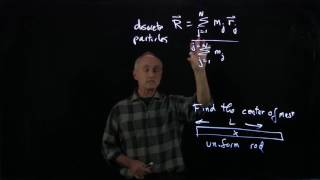
17.3 Center of Mass of a Continuous System
95
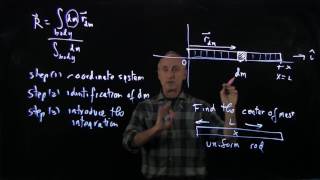
17.5 Worked Example - Center of Mass of a Uniform Rod
96
17.6 Velocity and Acceleration of the Center of Mass
97
17.7 Reduction of a System to a Point Particle
98
18.0 Week 6 Introduction
99
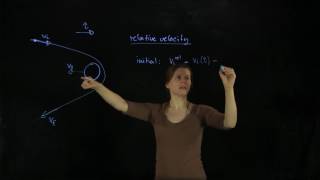
18.1 Relative Velocity
100
18.2 Set up a Recoil Problem
101
18.3 Solve for Velocity in the Ground Frame
102
18.4 Solve for Velocity in the Moving Frame
103
19.1 Rocket Problem 1 - Set up the Problem
104
19.2 Rocket Problem 2 - Momentum Diagrams
105
19.3 Rocket Problem 3 - Mass Relations
106
19.4 Rocket Problem 4 - Solution
107
19.5 Rocket Problem 5 - Thrust and External Forces
108
19.6 Rocket Problem 6 - Solution for No External Forces
109
19.7 Rocket Problem 7 - Solution with External Forces
110
PS.6.1 Rocket Sled - Differential Equation
111
PS.6.1 Rocket Sled - Integrate the Rocket Equation
112
PS.6.1 Rocket Sled - Solve for Initial Velocity
113
PS.6.2 Snowplow Problem
114
20.0 Week 7 Introduction
115
20.1 Kinetic Energy
20.1 Kinetic Energy
116
20.2 Work by a Constant Force
117
20.3 Work by a Non-Constant Force
118
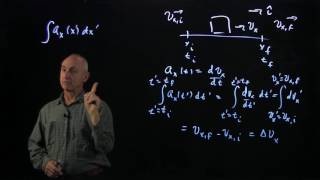
20.4 Integrate adt and adx
119
20.5 Work-Kinetic Energy Theorem
120
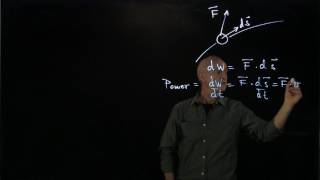
20.6 Power
20.6 Power
121
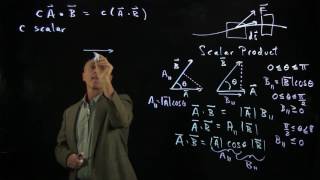
21.1 Scalar Product Properties
122
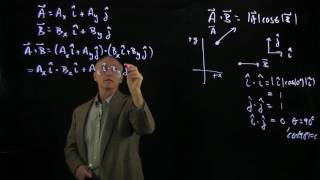
21.2 Scalar Product in Cartesian Coordinates
123
21.3 Kinetic Energy as a Scalar Product
124
21.4 Work in 2D and 3D
125
21.5 Work-Kinetic Energy Theorem in 2D and 3D
126
21.6 Worked Example: Block Going Down a Ramp
127
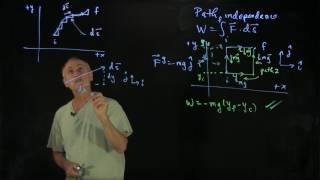
22.1 Path Independence - Gravity
128
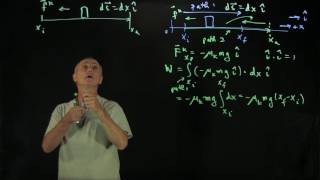
22.2 Path Dependence - Friction
129
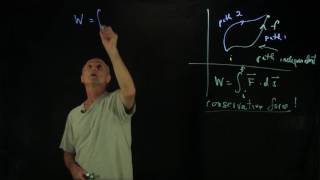
22.3 Conservative Forces
130
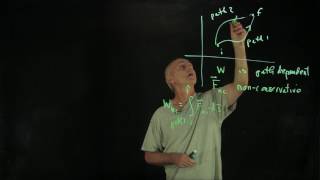
22.4 Non-conservative Forces
131
22.5 Summary of Work and Kinetic Energy
132
PS.7.1 Worked Example - Collision and Sliding on a Rough Surface
133
23.0 Week 8 Introduction
134
23.1 Introduction to Potential Energy
135
23.2 Potential Energy of Gravity near the Surface of the Earth
136
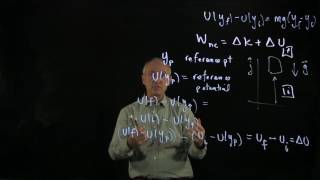
23.3 Potential Energy Reference State
137
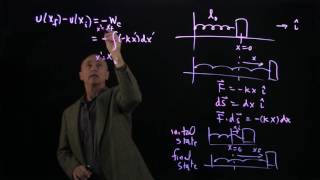
23.4 Potential Energy of a Spring
138
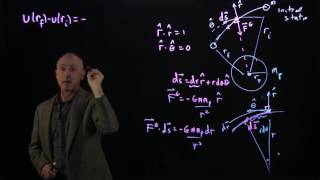
23.5 Potential Energy of Gravitation
139
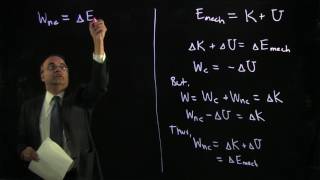
24.1 Mechanical Energy and Energy Conservation
140
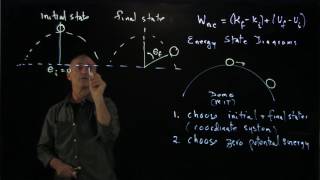
24.2 Energy State Diagrams
141
24.3 Worked Example - Block Sliding Down Circular Slope
142
24.4 Newton's 2nd Law and Energy Conservation
143
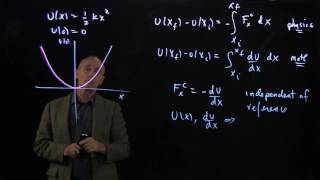
25.1 Force is the Derivative of Potential
144
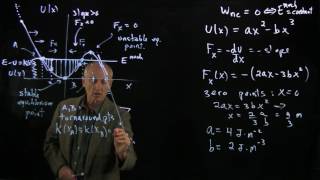
25.2 Stable and Unstable Equilibrium Points
145
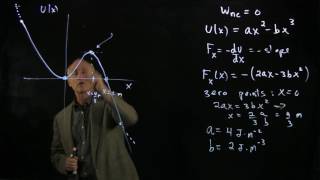
25.3 Reading Potential Energy Diagrams
146
26.0 Week 9 Introduction
147
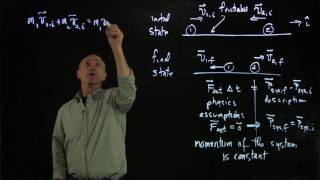
26.1 Momentum in Collisions
148
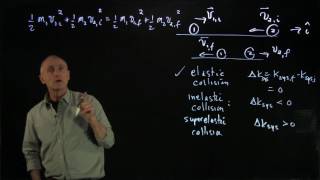
26.2 Kinetic Energy in Collisions
149
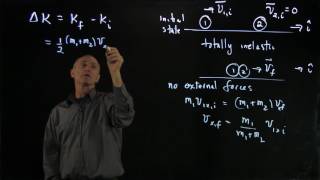
26.3 Totally Inelastic Collisions
150
27.1 Worked Example: Elastic 1D Collision
151
27.2 Relative Velocity in 1D
152
27.3 Kinetic Energy and Momentum Equation
153
27.4 Worked Example: Elastic 1D Collision Again
154
27.5 Worked Example: Gravitational Slingshot
155
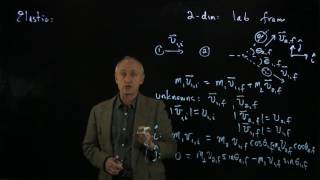
27.6 2D Collisions
27.6 2D Collisions
156
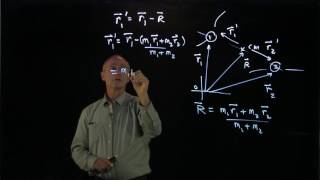
DD.2.1 Position in the CM Frame
157
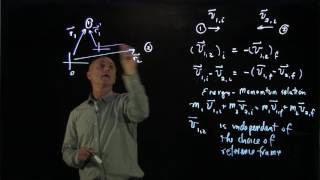
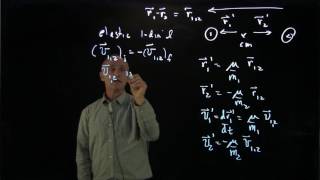
DD.2.2 Relative Velocity is Independent of Reference Frame
158
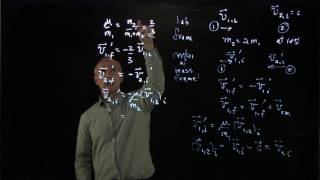
DD.2.3 1D Elastic Collision Velocities in CM Frame
159
DD.2.4 Worked Example: 1D Elastic Collision in CM Frame
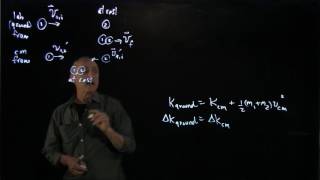
160
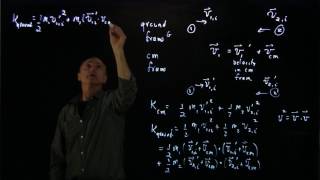
DD.2.5 Kinetic Energy in Different Reference Frames
161
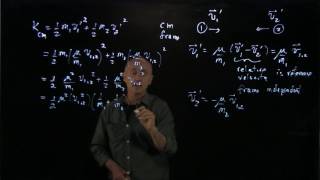
DD.2.6 Kinetic Energy in the CM Frame
162
DD.2.7 Change in the Kinetic Energy
163
28.0 Week 10 Introduction
164
28.1 Rigid Bodies
28.1 Rigid Bodies
165
28.2 Introduction to Translation and Rotation
166
28.3 Review of Angular Velocity and Acceleration
167
29.1 Kinetic Energy of Rotation
168
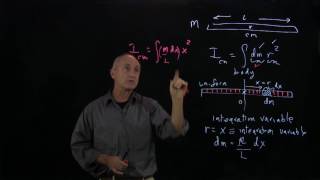
29.2 Moment of Inertia of a Rod
169
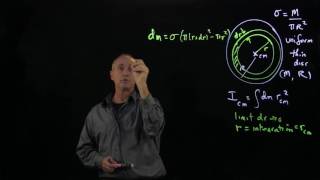
29.3 Moment of Inertia of a Disc
170
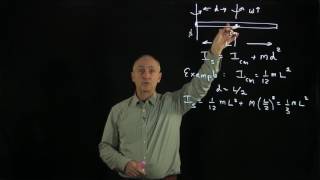
29.4 Parallel Axis Theorem
171
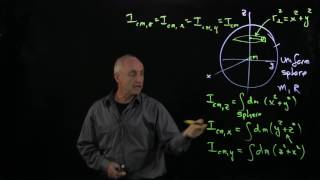
29.5 Deep Dive - Moment of Inertia of a Sphere
172
29.6 Deep Dive - Derivation of the Parallel Axis Theorem
173
30.1 Introduction to Torque and Rotational Dynamics
174
30.2 Cross Product
30.2 Cross Product
175
30.3 Cross Product in Cartesian Coordinates
176
30.4 Torque
30.4 Torque
177
30.5 Torque from Gravity
178
31.1 Relationship between Torque and Angular Acceleration
179
31.2 Internal Torques Cancel in Pairs
180
31.3 Worked Example - Find the Moment of Inertia of a Disc from a Falling Mass
181
31.4 Worked Example - Atwood Machine
182
31.5 Massive Pulley Problems
183
31.7 Worked Example - Two Blocks and a Pulley Using Energy
184
PS.10.1 Worked Example - Blocks with Friction and Massive Pulley
185
32.0 Week 11 Introduction
186
32.1 Angular Momentum for a Point Particle
187
32.2 Calculating Angular Momentum
188
32.3 Worked Example - Angular Momentum About Different Points
189
32.4 Angular Momentum of Circular Motion
190
33.1 Worked Example - Angular Momentum of 2 Rotating Point Particles
191
33.2 Angular Momentum of a Symmetric Object
192
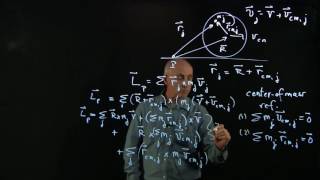
33.4 If Momentum is Zero then Angular Momentum is Independent of Origin
193
33.5 Kinetic Energy of a Symmetric Object
194
34.1 Torque Causes Angular Momentum to Change - Point Particle
195
34.2 Torque Causes Angular Momentum to Change - System of Particles
196
34.3 Angular Impulse
197
34.4 Demo: Bicycle Wheel Demo
198
34.5 Worked Example - Particle Hits Pivoted Ring
199
35.0 Week 12 Introduction
200
35.1 Translation and Rotation of a Wheel
201
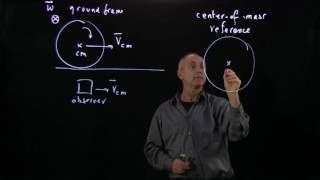
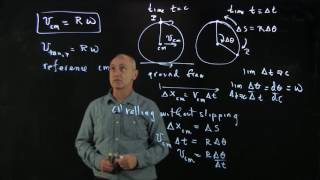
35.2 Rolling Wheel in the Center of Mass Frame
202
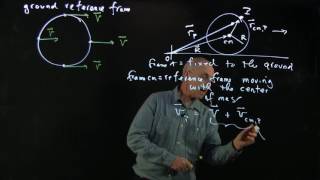
35.3 Rolling Wheel in the Ground Frame
203
35.4 Rolling Without Slipping Slipping and Skidding
204
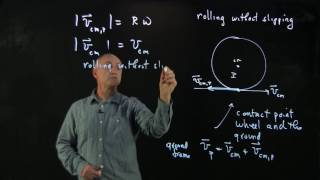
35.5 Contact Point of a Wheel Rolling Without Slipping
205
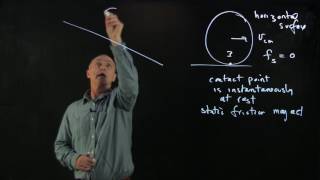
36.1 Friction on a Rolling Wheel
206
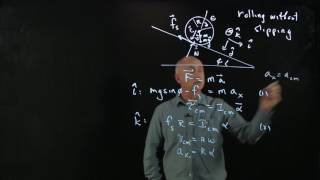
36.2 Worked Example - Wheel Rolling Without Slipping Down Inclined Plane - Torque Method
207
36.3 Demo: Spool Demo
208
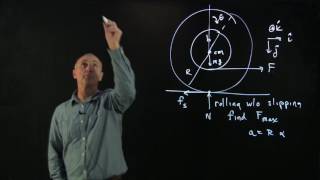
36.4 Worked Example - Yoyo Pulled Along the Ground
209
36.5 Analyze Force and Torque in Translation and Rotation Problems
210
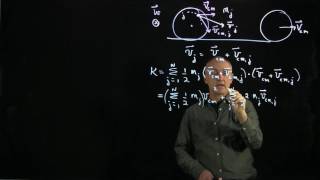
37.1 Kinetic Energy of Translation and Rotation
211
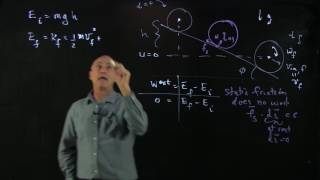
37.2 Worked Example - Wheel Rolling Without Slipping Down Inclined Plane
212
37.3 Angular Momentum of Translation and Rotation
213
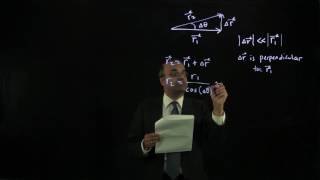
DD.3.1 Deep Dive - Gyroscopes - Free Body Diagrams, Torque, and Rotating Vectors
214
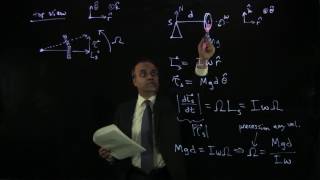
DD.3.2 Deep Dive - Gyroscopes - Precessional Angular Velocity and Titled Gyroscopes
215
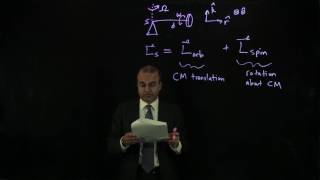
DD.3.3 Deep Dive - Gyroscopes - Nutation and Total Angular Momentum